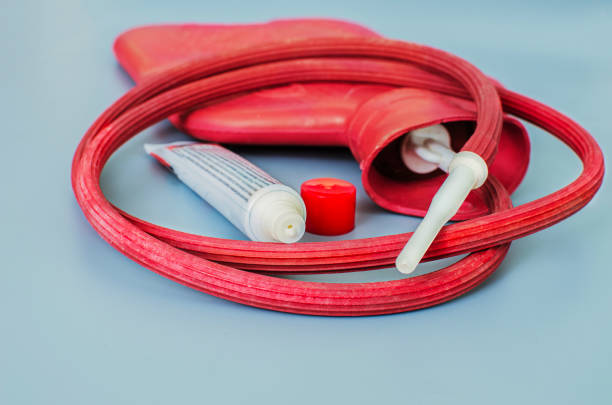
Enema
Within the framework of Ayurvedic therapy, the practice of "Basti," or medicated enema, is understood through a lens of natural physiological effects rather than magic. The carefully chosen herbal oils and decoctions are believed to work by directly interacting with the tissues of the colon and rectum. The oily substances can lubricate the bowel, aiding in the expulsion of accumulated waste and toxins. Certain herbs possess properties that can reduce inflammation, soothe irritated tissues, or promote healthy gut motility. Furthermore, the large surface area of the colon allows for the absorption of some medicinal compounds into the bloodstream, potentially exerting systemic effects. From an Ayurvedic perspective, balancing Vata dosha through Basti is seen as restoring the body's natural equilibrium, leading to improved nerve function, reduced pain, and enhanced overall health through tangible biological mechanisms.
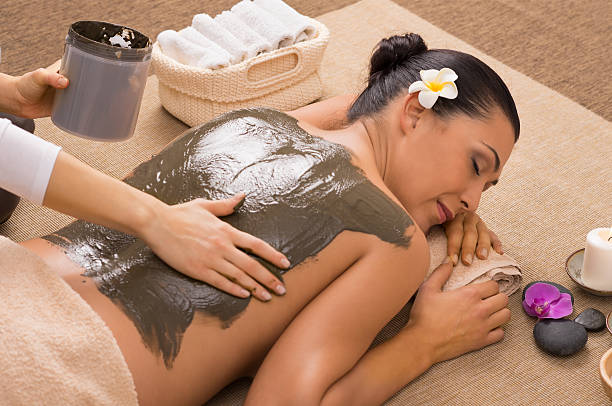
Mud Pack
In Ayurveda, a mud pack, or "Mrittika Lepa," is a therapeutic application of specific types of clay renowned for their healing properties. Different clays, such as Fuller's earth (Multani Mitti) or those sourced from mineral-rich regions, are chosen based on the desired effect. These clays are typically mixed with water or herbal decoctions to form a paste and then applied externally to specific areas of the body. The rationale behind Mrittika Lepa is rooted in the understanding that clay possesses the ability to absorb toxins, excess heat, and impurities from the skin and underlying tissues. The cooling and soothing nature of the mud can help reduce inflammation, alleviate pain, and promote relaxation.
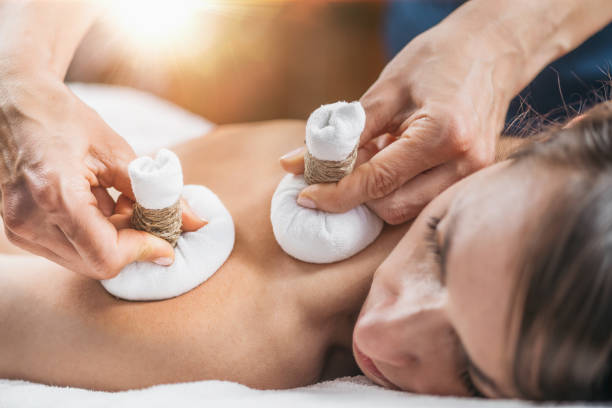
Potli Massage
Potli massage, also known as Kizhi in Ayurveda, is a therapeutic treatment that utilizes warm, herb-filled poultices (potlis) to provide relief and rejuvenation. These potlis are typically made of cloth bags containing a blend of specific herbs, often combined with rice, sand, or other natural ingredients, chosen for their therapeutic properties. The potlis are warmed, usually by steaming or heating in medicated oils, and then gently massaged over the body or specific areas experiencing pain or stiffness. The warmth helps to dilate blood vessels, improving circulation and promoting relaxation of muscles and tissues.
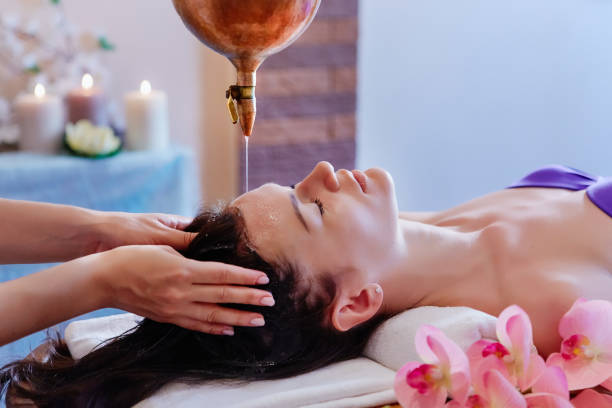
Shirodhara
Shirodhara, an Ayurvedic therapy, involves a gentle, continuous pour of warm, medicated oil onto the forehead. This steady stream is believed to calm the nervous system, reduce mental stress, and promote deep relaxation. The warmth improves circulation to the brain, while the rhythmic dripping can influence brainwave patterns. Herbal properties in the oil are absorbed through the scalp, contributing to overall well-being and addressing conditions like insomnia and anxiety through tangible physiological mechanisms.
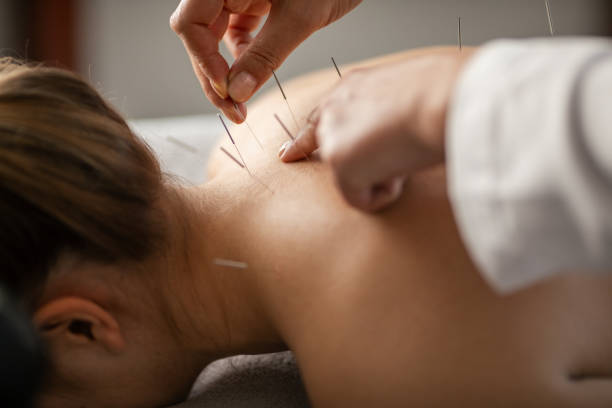
Acupuncture
Acupuncture is a traditional Chinese medicine technique that involves stimulating specific points on the body, most commonly by inserting thin, sterile needles into the skin. These acupuncture points are believed to lie along meridians, or energy pathways, in the body. According to traditional Chinese medicine theory, stimulating these points helps to balance the flow of "qi" (pronounced "chee"), or vital energy, thereby promoting the body's natural healing abilities.
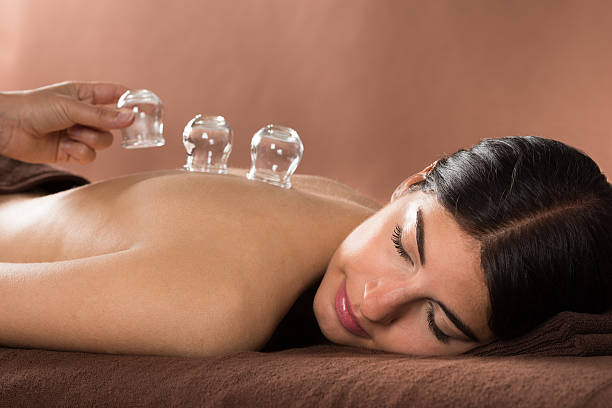
Cupping Therapy
Cupping therapy involves creating suction on the skin using special cups. This suction is thought to increase blood flow, reduce inflammation, and relax muscles, potentially easing pain and tension. While the exact mechanisms are still being studied, many find it a beneficial complementary therapy for muscle soreness and discomfort.